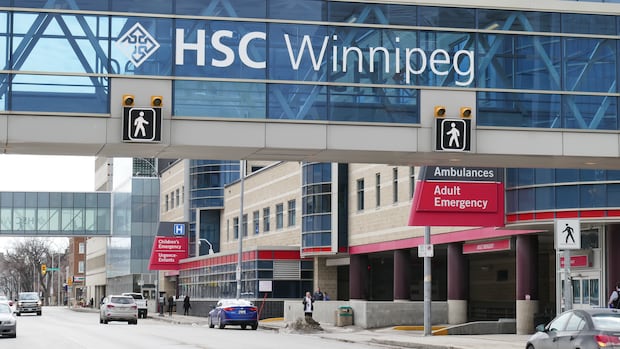
Manitoba's Healthcare System Under Siege: A Deep Dive into Record COVID Strain and Staff Shortages
Manitoba's hospitals are currently navigating an unprecedented wave of COVID-19 challenges, pushing the provincial healthcare system to its limits. While the province's top health officials maintain a stance of preparedness and resilience, frontline medical professionals are sounding urgent alarms, warning of a looming crisis fueled by record hospitalizations and critical staff shortages. The delicate balance between managing the pandemic's immediate impact and sustaining long-term healthcare capacity is a tightrope walk with profound implications for every Manitoban.
The Alarming Reality: Rising Hospitalizations and Outbreaks
The latest figures paint a concerning picture across Manitoba's healthcare landscape. On a recent Tuesday, a distressing record of 83 individuals were hospitalized due to COVID-19, with 15 of these patients requiring intensive care unit (ICU) admission. These numbers, significantly higher than those observed just weeks prior, underscore the rapid escalation of the virus's impact on the province's medical infrastructure.
Adding to the complexity are active COVID-19 outbreaks within major healthcare facilities themselves. Both St-Boniface Hospital and Victoria Hospital have reported clusters of cases, leading to tragic outcomes including multiple fatalities. These internal outbreaks not only add to the patient load but also critically deplete the already strained workforce, as infected staff members must isolate, further exacerbating staffing deficits. The human cost is palpable, with three additional deaths reported, bringing the total to 58 since the pandemic began in Manitoba. This confluence of rising patient numbers and shrinking staff capacity creates a perilous environment, stretching resources and the endurance of healthcare providers to their breaking point.
Navigating the Crisis: The Stance of the Ministre de la Santé
In response to the escalating situation, Manitoba's
Ministre de la Santé, Cameron Friesen, has offered assurances, stating that the province has not yet reached a breaking point in its ability to manage the pandemic within hospitals. Minister Friesen acknowledged the upward trend in hospitalizations but emphasized that the healthcare system still possesses options to manage patient flow and adapt to the evolving crisis.
"We are aware that there are more people hospitalized today than there were two weeks ago. Obviously, no one in Manitoba would want the numbers to go in that direction," Friesen remarked to journalists, highlighting the government's recognition of the challenge. He reiterated, "We are planning accordingly. We are not at a breaking point." This perspective suggests a belief in the system's inherent capacity and the effectiveness of contingency plans. Such plans could include the difficult decision to cancel non-urgent surgical procedures, a measure previously employed during the pandemic's earlier stages to free up beds and personnel for critical COVID-19 cases. While such actions can mitigate immediate pressure, they come with a significant cost, leading to delayed care for other serious conditions and accumulating backlogs that will impact patients long after the current surge subsides.
The role of the
Ministre de la Santé, or Minister of Health, in communicating both the severity of the crisis and the government's response is crucial. It shapes public perception, influences behaviour, and provides direction to the entire healthcare apparatus. The ongoing challenge for any
Ministre Sante Covid is to balance transparency with reassurance, ensuring the public is informed without inciting panic, while simultaneously equipping healthcare workers with the resources they need.
Voices from the Front Lines: Doctors' Urgent Warnings
Despite the governmental assurances, many medical professionals on the front lines paint a starkly different picture. Dr. Philippe Lagacé-Wiens, a medical microbiologist and physician at St-Boniface Hospital, has expressed grave concerns that Winnipeg's intensive care units could reach maximum capacity within days. His worries extend beyond mere bed counts, encompassing a complex web of factors that define true healthcare system capacity.
Dr. Lagacé-Wiens articulated the fears shared by his colleagues: the potential for Manitoba to experience "horror stories similar to those that occurred in Europe in April and May." He stressed that determining a "red code" situation – indicating critical overload – is "multifactorial," requiring consideration of much more than just positive case numbers. Key factors, he explained during an interview on _Le 6 à 9_, include:
*
Availability of Beds: Both general and ICU-specific.
*
Staffing Levels: The number of nurses, doctors, and support staff available, particularly in specialized ICU settings.
*
Protective Equipment: Adequate supply of personal protective equipment (PPE) to keep staff safe and prevent further outbreaks.
*
Staff Burnout: The psychological and physical toll on remaining personnel.
A significant contributor to the current alarm, according to Dr. Lagacé-Wiens, is the impact of hospital outbreaks on staffing. When healthcare workers contract the virus, they must isolate, immediately reducing the available workforce. This forces remaining staff to take on increasingly longer hours and heavier workloads, leading to immense stress and the potential for burnout, further compounding the staffing crisis. This is a vicious cycle where the very act of caring for patients, especially in an outbreak setting, can compromise the ability to provide care.
For a deeper dive into the differing perspectives, readers can explore
Manitoba's COVID Hospitals: Minister Optimistic, Doctors Warn of Crisis.
A Broader Perspective: Comparing Crisis Communication and Strategies
The contrasting messages from Manitoba's Minister of Health and its frontline medical professionals highlight a common tension seen in pandemic management worldwide. While the Manitoba government aims to project confidence and control, doctors are focused on the immediate, tangible strain on their ability to deliver care.
This dynamic can be compared to other regions. For instance, in Germany, Health Minister Jens Spahn delivered a notably stark warning, stating that by the end of winter, Germans would "likely be vaccinated, recovered, or dead" due to the virus's spread. This blunt assessment stands in sharp contrast to the more measured and reassuring tone adopted by Manitoba's
Ministre de la Santé. These differing approaches reflect various factors: the specific epidemiological situation, cultural communication norms, and political strategies for motivating public action. While one approach might aim to prevent panic and uphold public trust, the other might seek to instill a sense of urgent responsibility and drastically alter behaviour. Both approaches carry risks and benefits regarding public compliance and healthcare system readiness.
The German Health Minister's directness underscores the severe challenges many European nations faced. For more information on this, see
German Health Minister Issues Stark COVID Warning for Winter.
Practical Implications for Manitobans and the Healthcare System
The current situation in Manitoba carries significant practical implications for both the public and the long-term health of the provincial healthcare system:
*
Delayed Care for Non-COVID Patients: If non-urgent surgeries are cancelled, patients requiring these procedures will face longer wait times, potentially leading to worsening conditions and increased suffering.
*
Increased Burden on Healthcare Workers: The existing staff face immense pressure, risking burnout, mental health challenges, and potential departures from the profession, which would have lasting impacts on staffing levels.
*
Public Responsibility: The trajectory of the pandemic remains heavily influenced by public adherence to health guidelines. Vaccination, consistent masking, social distancing, and hand hygiene are critical in reducing transmission and alleviating pressure on hospitals.
*
System Resilience: This period serves as a critical test of the healthcare system's resilience and adaptive capacity. It highlights the need for robust planning, adequate resource allocation, and sustained investment in both infrastructure and personnel.
Conclusion
Manitoba stands at a critical juncture in its battle against COVID-19. The assurances from the
Ministre de la Santé, Cameron Friesen, regarding the system's capacity are met with urgent warnings from frontline medical staff, who see their resources and stamina dwindling. Record hospitalizations, ICU strains, and internal hospital outbreaks are creating a perfect storm, exacerbated by the unavoidable reduction in available staff due to isolation protocols. The choices made by the government, the dedication of healthcare workers, and the actions of every Manitoban in the coming weeks will collectively determine the province's ability to navigate this unprecedented challenge without succumbing to the "horror stories" that doctors fear. Ensuring a resilient healthcare system requires not only immediate crisis management but also sustained support and strategic planning for the well-being of its dedicated professionals and the communities they serve.