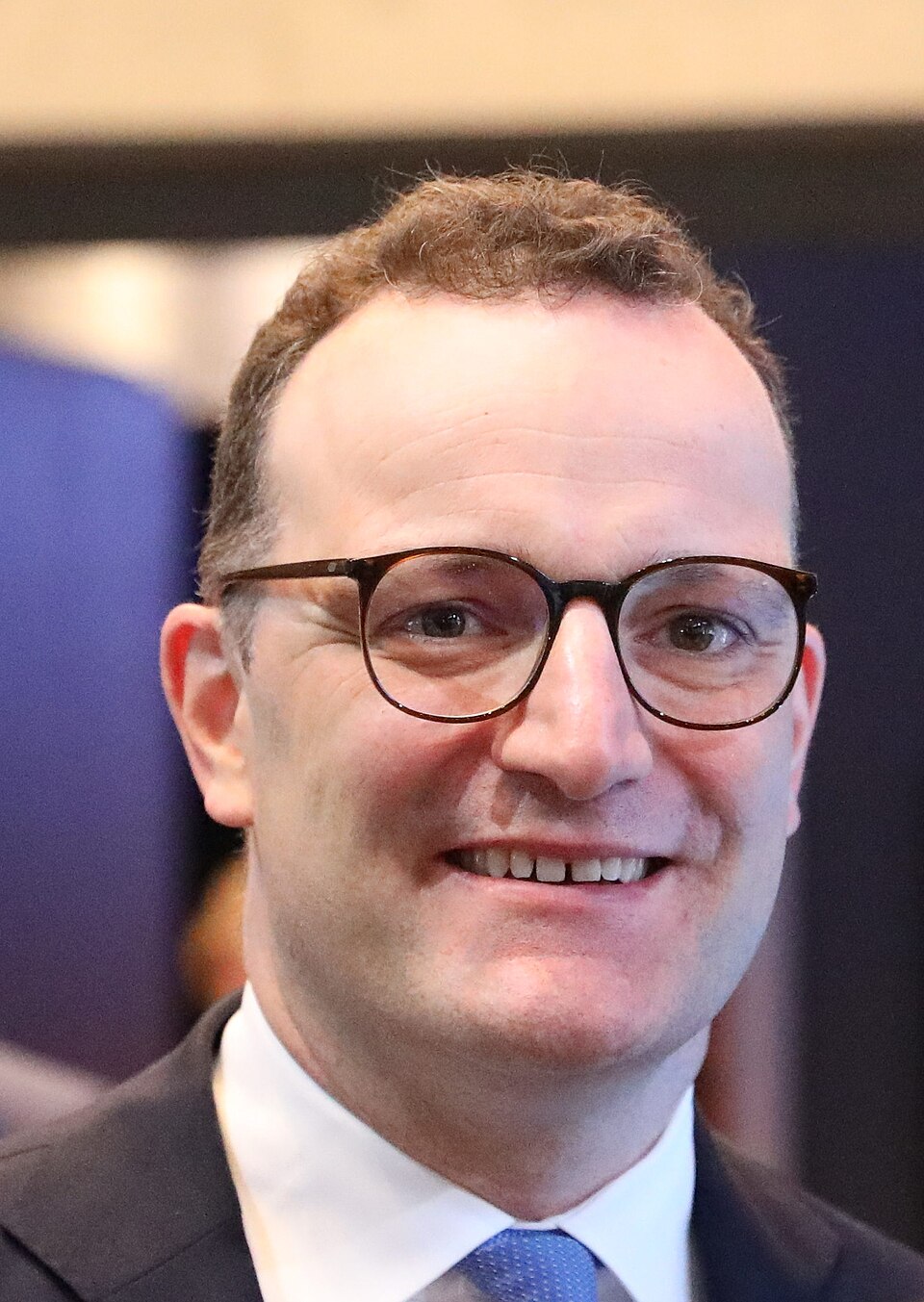
German Health Minister Issues Stark COVID Warning for Winter
As winter approaches, a chilling warning from Germany's Health Minister, Jens Spahn, has reverberated across Europe, underscoring the continent's struggle to contain the persistent threat of COVID-19. His stark pronouncement that "by the end of this winter, everyone will likely be vaccinated, cured, or dead" due to the virus’s spread marks a dramatic shift in governmental communication, reflecting the severe reality facing healthcare systems and populations. This grim forecast, delivered on November 22, highlights a renewed urgency and a less sugar-coated approach from leaders, a far cry from the cautious optimism that sometimes characterized earlier phases of the pandemic.
Spahn's words are not merely a rhetorical flourish; they are a direct acknowledgment of the virus's relentless trajectory and the immense pressure it continues to exert. For a European nation like Germany, known for its robust healthcare infrastructure, such an uncompromising statement serves as a wake-up call, emphasizing that even the most prepared systems face unprecedented challenges. The phrase encapsulates the inescapable choices and consequences that individuals and societies must confront in the face of a highly transmissible pathogen, especially as colder months force more activities indoors, creating ideal conditions for viral spread. This sentiment is echoed, albeit in different tones, by health authorities and experts worldwide, making it clear that vigilance remains paramount.
The German Health Minister's Unflinching Warning: A European Imperative
The severity of Jens Spahn’s message underscores a broader recognition across European governments: the coronavirus has re-emerged as the continent’s most pressing issue. Gone are the days of carefully chosen words designed to avoid panic; instead, leaders are opting for raw truth. Spahn's blunt assessment, delivered with a directness that leaves little room for misinterpretation, aims to shock populations into action. His declaration that citizens will be "vaccinated, cured, or dead" by winter's end is a stark reminder of the virus's pervasive nature and the critical role vaccination plays in mitigating its most severe outcomes. This unequivocal stance by the German Ministre de la Santé reflects a painful lesson learned from previous waves: underestimating the virus comes at a heavy cost.
This shift in tone is not unique to Germany. It reflects a growing impatience and concern among policymakers who witness the resurgence of cases, hospitalizations, and fatalities, often fueled by vaccine hesitancy and a relaxed adherence to public health measures. Governments, after enduring multiple lockdowns and economic upheaval, are now banking on vaccination as the primary pathway out of the crisis. Spahn's statement, therefore, serves not only as a warning but also as a powerful endorsement of the global vaccination effort. It forces individuals to confront the immediate and long-term consequences of their choices, not just for their own health but for the collective well-being of their communities and the stability of their healthcare systems. The choice, as framed by the German health minister, is stark and deeply personal, yet carries profound societal implications.
Echoes of Strain: Lessons from Regional Frontlines
While Germany’s Health Minister delivers a macro warning, the strain on healthcare systems is vividly illustrated at a micro level in regions like Manitoba, Canada. Here, despite official assurances, medical professionals paint a concerning picture of hospitals teetering on the brink. The province’s Health Minister, Cameron Friesen, has maintained that the system has not yet reached a "breaking point" in managing the pandemic. However, frontline medical staff widely disagree, describing an overwhelming burden on personnel and infrastructure. This disconnect highlights a critical challenge: accurately assessing and communicating the true capacity of a health system under duress.
A record 83 hospitalizations, including 15 in intensive care units (ICUs), recently underscored Manitoba’s escalating crisis. Disturbingly, outbreaks of COVID-19 have been reported at major facilities like St. Boniface Hospital and Victoria Hospital, leading to multiple tragic deaths. These hospital-based outbreaks not only increase patient numbers but critically reduce available staff as healthcare workers must isolate. Dr. Philippe Lagacé-Wiens, a medical microbiologist and physician at St. Boniface Hospital, voiced profound concerns, warning that Winnipeg’s ICUs could reach maximum capacity within days. His fears of "horror stories similar to those that occurred in Europe in April and May" serve as a stark reminder of the potential consequences of an overwhelmed system, directly echoing the gravity of Minister Spahn's warning.
Dr. Lagacé-Wiens emphasizes that a "code red" scenario—where the healthcare system faces imminent collapse—is not merely about positive case numbers. It’s a multifaceted problem influenced by the availability of ICU beds, the number of nurses and doctors, and crucial personal protective equipment (PPE). The current situation means existing staff face increasing stress and longer hours, a recipe for burnout and further staffing crises. Even as Manitoba’s Health Minister speaks of having "options" and planning for all scenarios, including the cancellation of non-urgent surgeries, the reality on the ground, as described by those at the patient’s bedside, presents a more alarming picture. For a deeper dive into these localized challenges, consider reading Manitoba's COVID Hospitals: Minister Optimistic, Doctors Warn of Crisis, and Manitoba Hospitals Face Record COVID Strain Amid Staff Shortages.
The Multifaceted Challenge of Winter COVID
The winter months present a complex web of challenges that exacerbate the COVID-19 pandemic, threatening to push healthcare systems beyond their limits. The confluence of colder weather driving people indoors, the circulation of other respiratory viruses like influenza, and the continued emergence of new variants creates a perfect storm for increased transmission and severe illness. This is precisely what concerned the German Health Minister and what frontline workers in places like Manitoba are already experiencing.
- Staffing Crisis: One of the most critical factors is the human element. Healthcare workers, after nearly two years of relentless strain, are physically and emotionally exhausted. Outbreaks within hospitals, as seen in Manitoba, force staff into isolation, further depleting an already stretched workforce. This intensifies the workload for remaining personnel, leading to burnout and potentially impacting the quality of care. The notion of a health system having "options" quickly diminishes if there aren't enough skilled hands to implement them.
- Infrastructure Strain: Beyond personnel, physical infrastructure faces immense pressure. ICU beds, ventilators, and specialized equipment are finite resources. When hospitalizations surge, non-urgent procedures are often canceled, creating a backlog that impacts patient health and the economy. The availability of PPE, though improved since the early days of the pandemic, remains a constant logistical challenge, especially with increased demand.
- Vaccine Hesitancy and Waning Immunity: Despite the widespread availability of vaccines, a significant portion of the population in many countries remains unvaccinated, creating reservoirs for the virus to spread and mutate. Furthermore, waning immunity in those vaccinated earlier in the year underscores the need for booster shots, adding another layer of complexity to public health campaigns. The "vaccinated, cured, or dead" ultimatum by the German Health Minister directly addresses these outcomes, highlighting the protective power of vaccination.
- Variant Proliferation: The virus's ability to mutate and produce new variants, some of which are more transmissible or capable of evading immune responses, poses an ongoing threat. Each new variant introduces uncertainty, demanding rapid scientific assessment and potential adjustments to public health strategies.
These interconnected issues demonstrate that managing the winter wave of COVID-19 requires a holistic and adaptive approach, not just from health authorities but from every individual.
Preparing for the Unpredictable: Strategies for Resilience
In the face of dire warnings from officials like Germany's Ministre de la Santé, Jens Spahn, and the escalating pressures reported by frontline medical professionals, developing robust strategies for resilience is paramount. This involves a multi-pronged approach encompassing governmental policies, healthcare system preparedness, and individual responsibility.
What Can Health Systems Do?
- Capacity Expansion and Flexibility: Health systems must maintain surge capacity plans, including the ability to rapidly convert non-critical care beds into ICU units, mobilize retired staff, or expedite training for new personnel. Flexibility in resource allocation, such as reassigning staff or equipment between facilities, is crucial.
- Staff Support and Retention: Prioritizing the mental and physical well-being of healthcare workers is critical. This includes adequate staffing levels to prevent burnout, access to mental health services, competitive compensation, and ensuring sufficient PPE. Protecting this vital workforce directly impacts the system's ability to cope.
- Proactive Public Health Campaigns: Governments must continue clear, consistent, and science-based public health messaging. Emphasizing the importance of vaccination, boosters, masking, social distancing, and testing helps reduce the burden on hospitals. Transparency about hospital capacity and risks, as seen in the recent blunt warnings, can also motivate public action.
- Data-Driven Decision Making: Robust surveillance systems for tracking cases, hospitalizations, deaths, and emerging variants are essential. This data informs timely interventions, resource allocation, and policy adjustments.
What Can Individuals Do?
- Get Vaccinated and Boosted: This remains the most effective defense against severe illness, hospitalization, and death. Following public health recommendations for booster shots is vital as immunity wanes.
- Practice Preventative Measures: Continue to wear masks in crowded indoor settings, practice good hand hygiene, maintain physical distancing when appropriate, and avoid large gatherings, especially if unvaccinated or in high-risk groups.
- Test When Symptomatic: Rapid testing and PCR tests help identify cases quickly, enabling isolation and contact tracing to limit further spread.
- Support Healthcare Workers: Acknowledging the immense sacrifice and dedication of healthcare professionals can boost morale and foster community solidarity.
The challenges faced by any *Ministre de la Santé* regarding COVID-19 are immense, requiring a balance between public health mandates, economic stability, and individual liberties. The collective commitment to these strategies offers the best hope for navigating the unpredictable path of the pandemic through the winter months and beyond.
Conclusion
The stark warning from Germany's Health Minister, Jens Spahn, that "by the end of this winter, everyone will likely be vaccinated, cured, or dead" serves as a sobering reminder of the ongoing, pervasive threat of COVID-19. This direct and unflinching message, echoing the growing strain on healthcare systems globally—from German hospitals to the ICUs in Manitoba—underscores a pivotal moment in the pandemic. As winter approaches, the confluence of increased indoor activity, potential new variants, and the persistent challenge of vaccine hesitancy creates a fertile ground for the virus to exact a heavy toll. The insights from medical professionals regarding exhausted staff, overwhelmed infrastructure, and the critical need to consider all factors for a "code red" scenario highlight the fragility of even robust health systems. Ultimately, navigating this critical period demands a collective commitment: robust governmental planning, sustained support for our valiant healthcare workers, and diligent adherence to public health measures by every individual. The choices made in the coming months will profoundly shape the narrative of this winter and determine the human cost of the pandemic's relentless journey.